
Celebrating Indigenous Resilience and Leadership Through Pablo Abeita's Legacy

Updated: Mar 7
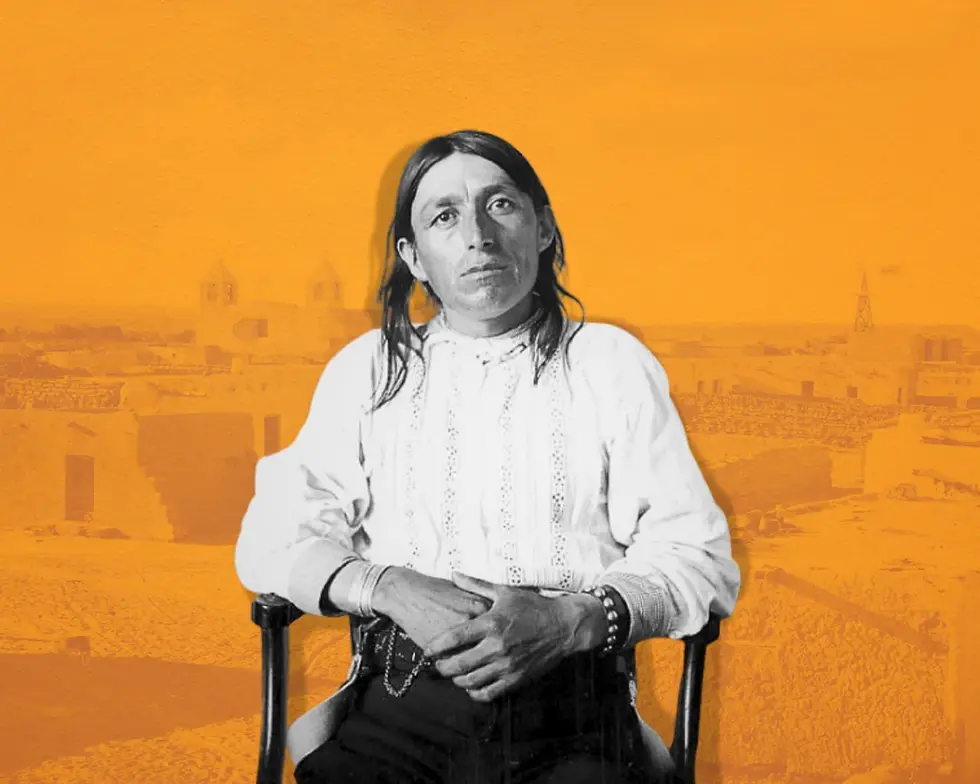
You might not have heard of Pablo Abeita, but his story holds powerful lessons about leadership, resilience, and the fight for Indigenous rights. Born in 1871 in the Isleta Pueblo, New Mexico, Abeita’s life shows how one person’s dedication can protect a community’s heritage and land. His journey from a young student to a respected leader offers valuable insights for educators, historians, and anyone interested in Indigenous leadership.
Early Life and Education
Pablo Abeita was born into a Tiwa-speaking family in the Isleta Pueblo. At a time when Native American children rarely had access to formal education, Abeita’s parents ensured he attended the Jesuit School at Old Albuquerque and later St. Michael’s College in Santa Fe. His ten years of schooling were exceptional for the era, especially in territorial New Mexico.
His education gave him a strong foundation in English and Spanish, alongside his native Tiwa language. This multilingual ability became a key asset in his leadership. After school, Abeita worked as a typesetter for an Albuquerque newspaper and later helped run his family’s business in Isleta. These experiences sharpened his communication skills and deepened his understanding of both Pueblo and non-Pueblo worlds.
Early Leadership and the All Indian Pueblo Council
At just 19 years old, Abeita was chosen to represent the 19 Pueblos of New Mexico on the All Indian Pueblo Council. This council had been inactive for over 300 years due to colonial rule, but it was revived in 1889 to unite Pueblo communities in protecting their rights and lands.
Abeita’s knowledge of multiple languages and cultures made him a natural diplomat. His ability to navigate complex political landscapes impressed both Pueblo leaders and outsiders. In 1913, his tribe appointed him as a judge, and he was elected Secretary of the All Indian Pueblo Council. These roles gave him a platform to advocate for his people’s interests.
Defending Pueblo Lands
One of the most significant challenges Abeita faced was the threat of losing Pueblo lands. In the early 20th century, the federal government and powerful business interests sought to confiscate and sell off Indigenous lands in New Mexico. This would have devastated the Pueblo communities, stripping them of their homes and heritage.
Under Abeita’s leadership, the All Indian Pueblo Council became more active in the 1920s. He helped organize efforts to resist these land grabs through legal and political channels. The Council’s persistence led to the passage of the Pueblo Lands Act in 1924. This law confirmed Pueblo title to their lands, protecting them from further confiscation.

Pablo Abeita’s Legacy in Indigenous Leadership
Pablo Abeita’s leadership was marked by wisdom, diplomacy, and a deep commitment to his people. Historian Joe Sando praised Abeita’s skills, saying that in another time, he might have been elected governor of New Mexico. This highlights how Abeita’s talents transcended the limitations placed on Native Americans at the time.
During Abeita’s life, Native Americans faced many barriers. They were often excluded from voting and holding state office, even as U.S. citizens. Despite these obstacles, Abeita found ways to serve his community and protect their rights. His story shows how Indigenous leadership can thrive even in difficult circumstances.
Lessons for Today’s Educators and Historians
When you teach or study Indigenous history, Pablo Abeita’s story offers several important lessons:
Language and Education Matter: Abeita’s fluency in multiple languages helped him bridge cultures and advocate effectively.
Leadership Can Take Many Forms: Abeita served as a judge, council secretary, and community leader, showing that leadership is not limited to elected office.
Community Unity is Powerful: The revival of the All Indian Pueblo Council united 19 Pueblos to protect their shared interests.
Persistence Pays Off: The Pueblo Lands Act was a hard-won victory that secured land rights for future generations.
By sharing Abeita’s story, you help highlight Indigenous resilience and the ongoing importance of protecting Native rights.
Continuing the Work of Indigenous Leadership
Pablo Abeita’s legacy is not just history. It inspires current and future generations to continue advocating for Indigenous communities. His example encourages you to recognize the value of Indigenous knowledge, languages, and leadership styles.
Supporting Indigenous leadership today means:
Listening to Native voices in education and policy
Respecting tribal sovereignty and land rights
Promoting Indigenous languages and cultures in schools
Encouraging young Indigenous people to pursue leadership roles
Abeita’s life reminds us that strong leadership rooted in culture and community can create lasting change.
Additional Resources:


