
MIP is Celebrating Dr. Martin Luther King Jr. Day

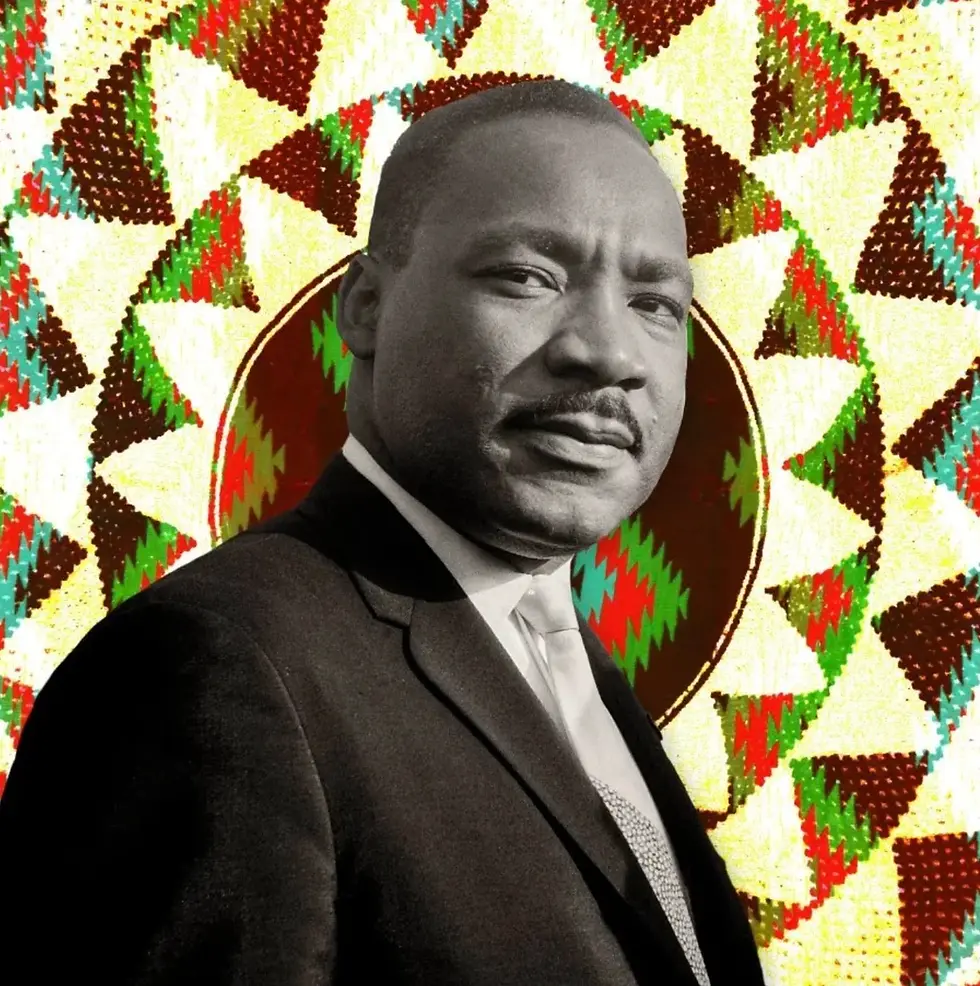
As the MIP is Celebrating Dr. Martin Luther King Jr. Day, many may not know about the connections between the great freedom fighter and Native Americans.
In his 1964 book “Why We Can’t Wait,” writing about the origins of racism in this country, he strongly condemned the historic injustices inflicted on Native people when he wrote:
“Our nation was born in genocide when it embraced the doctrine that the original American, the Indian, was an inferior race. Even before there were large numbers of Negroes on our shores, the scar of racial hatred had already disfigured colonial society."
It's not surprising then, that King saw himself as not only a leader in the African-American struggle for social justice and equality, but also a fighter for all of the oppressed of this land.
In south Alabama in the late 1950s, the Poarch Band of Creeks were trying to completely desegregate schools in their area. While technically desegregated, the school district maintained a number of holdover policies that made some children "less than" others.
At the time, lighter-skinned Native children were allowed to ride school buses and attend desegregated, previously all-white schools, but darker-skinned Native children from the same band were not allowed to ride those same buses, even if the children were all coming from the same household. Tribal leaders, hearing of King’s ongoing desegregation campaign in Birmingham, contacted him for assistance.
Dr. King brought to bear the considerable non-violent pressure of the campaign he'd already organized for African-Americans.
With his intervention, Native children from the Poarch band were allowed by their school district to ride the buses no matter the darkness of their skin color, marking a major step toward desegregation.


