Unveiling the Stories Behind Rinehart's Portraits of San Carlos Apache Women in 1898

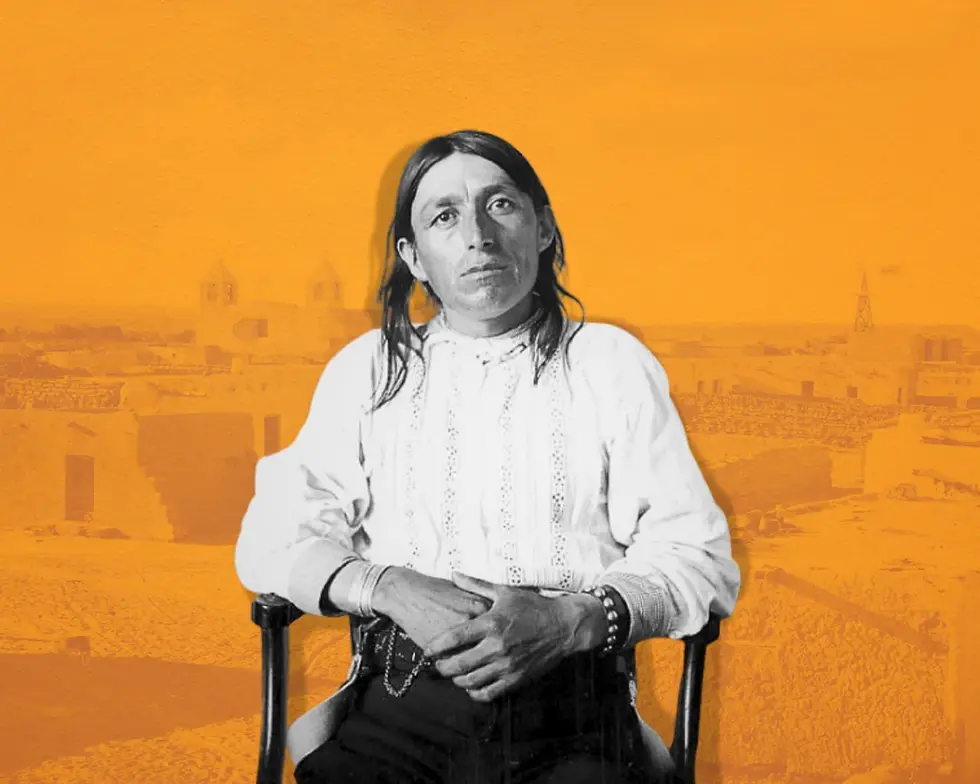
In 1898, two San Carlos Apache women, Brushing-Against and Little-Squint-Eyes, traveled hundreds of miles north to Omaha, Nebraska. Their journey was part of a larger gathering known as the Indian Congress, held during the Trans-Mississippi International Exposition. This event brought together over 500 Native Americans from 35 tribes, offering a rare opportunity to share their cultures and stories. Among the many who documented this moment was Frank A. Rinehart, a photographer whose portraits stand out for their respect and dignity. His work challenges the usual stereotypes of Indigenous people at the time and invites you to look beyond the image to the lives and experiences of these women.
The Indian Congress and the Trans-Mississippi International Exposition
The Indian Congress was a major feature of the 1898 Exposition in Omaha. It aimed to showcase Native American cultures to a broad audience, but the event was not without controversy. Organizers staged reenactments and mock battles that often sensationalized Indigenous traditions. Despite this, the Congress attracted a diverse group of Native Americans, including Brushing-Against and Little-Squint-Eyes, who came from the San Carlos Apache community in Arizona.
This gathering was a crossroads of cultures and experiences. For many attendees, it was a chance to meet people from other tribes, exchange stories, and navigate the complexities of representing their heritage to the public. You can imagine the mix of curiosity, pride, and perhaps unease they felt being part of such a public display.
Frank A. Rinehart’s Approach to Portraiture
Frank A. Rinehart was the official photographer of the Indian Congress. Unlike many photographers of his era, who often emphasized exotic or stereotypical features, Rinehart focused on capturing the individuality and dignity of his subjects. His portraits avoid the staged or theatrical poses common in ethnographic photography of the 19th century.
Rinehart used platinum printing, a technique known for its delicate tonal range and long-lasting quality. This choice reflects his commitment to creating images that were not only beautiful but also enduring records of Native American life at the turn of the century.

The Untold Stories Behind the Portraits
While Rinehart’s portraits speak volumes through their visual power, they also raise many questions about the lives of Brushing-Against and Little-Squint-Eyes. What motivated these young women to leave their home and participate in the Indian Congress? How did they experience being part of an event designed for public display? Did they form friendships with people from other Indigenous nations or with the exhibition staff?
These questions highlight the importance of looking beyond the image to understand the full story. The portraits are a starting point for exploring the complex realities of Indigenous peoples during a time of great change and challenge.
The Importance of Respectful Representation
Rinehart’s work marks a shift in how Native Americans were portrayed in photography. By focusing on respect and individuality, his portraits help to instill understanding and respect for the indigenous cultures of the southwest. This approach contrasts sharply with the sensationalism of the Exposition’s organizers and many other contemporary depictions.
For educators, researchers, and anyone interested in Indigenous history, these portraits offer a valuable resource. They encourage you to think critically about representation and the power of images to shape perceptions.
Reflecting on Indigenous Perspectives
To deepen your understanding, consider exploring Indigenous voices on the Indian Congress and the Trans-Mississippi International Exposition. Simon Ortiz, a writer from Acoma Pueblo, offers a perspective that challenges mainstream narratives and highlights the resilience and agency of Native peoples during this period. His reflections remind you that history is not just about events but about the people who lived through them.
You can read his insights here: Simon Ortiz on the Indian Congress.
Why These Stories Matter Today
The story of Brushing-Against and Little-Squint-Eyes is more than a historical curiosity. It connects to ongoing efforts to instill understanding and respect for the indigenous cultures of the southwest. By learning about their experiences and the context of Rinehart’s portraits, you contribute to a broader recognition of Indigenous histories and identities.
This knowledge supports educators in creating more inclusive curricula, helps researchers approach their work with sensitivity, and invites everyone to appreciate the richness of Native American cultures beyond stereotypes.
Additional Resources
https://flashbak.com/forty-remarkable-native-american-portraits-by-frank-a-rinehart-from-1899-32395/